


Mombasa County Hockey Association: The driving force behind silent revolution at the Coast

.jpg)


Reading Time: 6min | Mon. 21.04.25. | 16:03
While most federations operate under layers of bureaucracy, MCHA has adopted a governance model grounded in service and trust
When the story of Kenyan hockey is retold through a progressive lens, the Mombasa County Hockey Association (MCHA) will certainly feature among the protagonists.
Follow our WhatsApp channel for more news
In a landscape often defined by resource struggles, disjointed systems, and inconsistent leadership, MCHA has emerged as a refreshing case study in how grassroots commitment, transparency, and structured governance can breathe new life into a sport.
From the warm sands of the coast to the structured hustle of the Coast Hockey League, MCHA’s journey blends innovation, community-driven ideas, and leadership grounded in service.
And at the heart of this transformation is an association that has understood a simple but powerful principle: when you listen to your stakeholders, the game thrives.
Affiliated to the Kenya Hockey Union (KHU), MCHA has emerged as a benchmark in county-level sports governance, demonstrating that grassroots hockey can thrive with the right leadership model.
From the Coast Hockey League, Inter-Mtaa Hockey, and the MCHA National Tournament to introducing Beach Hockey in Kenya, MCHA's calendar is packed and impactful.
But what makes the association truly stand out is its governance philosophy—transparent, inclusive, and consistent. MCHA’s journey blends innovation, community-driven ideas, and leadership grounded in service.
“Governance is a service; let the work speak for itself and the stakeholders will always have their say,” says MCHA President Oliver Mascarenhas.
The rise of MCHA’s flagship tournaments did not begin with a boardroom decision but from the idle rhythms of players left without competitive action during long seasonal breaks.

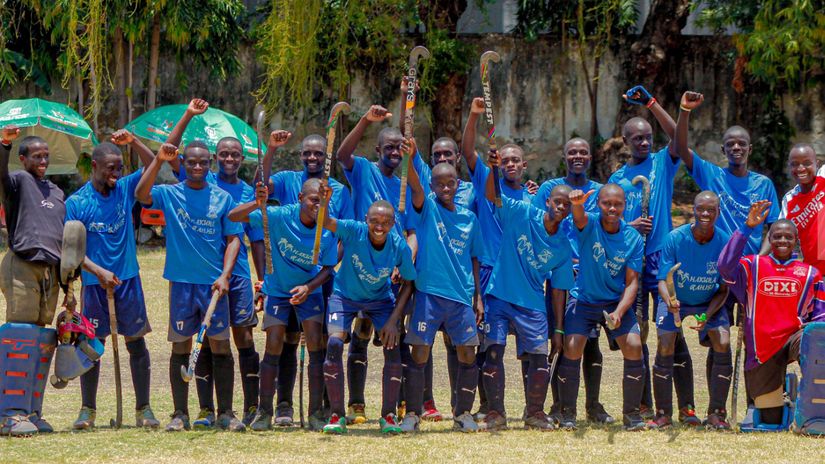
The Inter-Mtaa tournament emerged organically when players, during school holidays, came together to form teams named after neighbourhoods such as: Island, Likoni Sharks, Nyali CoolKids, Mombasa West Streetwise, Bamburi Tejaz, Mshomo and other funny names, and they played for bragging rights.
“We didn’t invent the Inter-Mtaa,” says Mascarenhas. “The players did. They had their own WhatsApp groups, organised fixtures, and would meet to play. All we did was support them with structure and a platform.”
This ability to notice, support, and elevate grassroots energy gave birth to the Coast Hockey League, a more structured competition that soon followed. According to Mascarenhas, the idea was born during the COVID-19 lockdowns when sports had come to a standstill and Nairobi venues were closed.
“Players in Mombasa took it upon themselves to train in groups, keeping numbers low but maintaining their passion for the game. The association stepped in to provide official backing, and soon it was a proper league.”
Building a System of Trust
While most federations operate under layers of bureaucracy, MCHA has adopted a governance model grounded in service and trust.
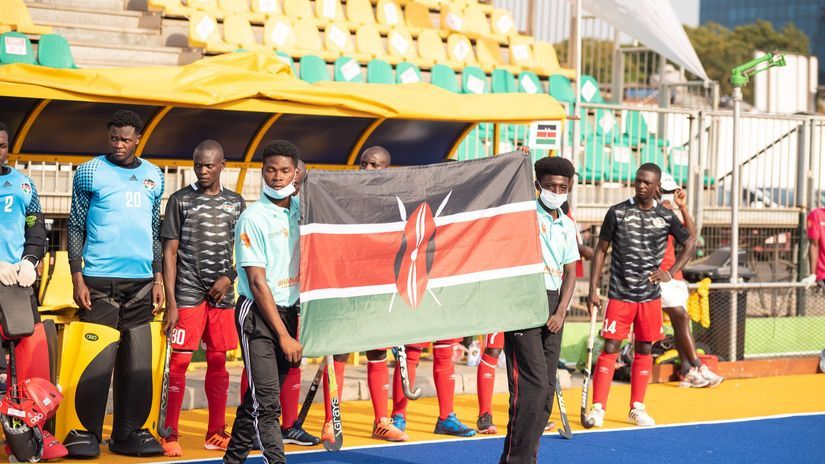
The executive committee is segmented into smaller groups based on function, enabling swift decisions, often through WhatsApp or Google Meet calls. Critical matters, however, are reserved for in-person meetings.
“Our model is responsive,” Mascarenhas explains. “We’ve tried to create a flat structure where everyone has a voice. That way, we don’t waste time, but we also don’t make unilateral decisions.”
One of MCHA’s most notable traits is its transparency. After every event - be it the Inter-Mtaa, Coast League, or the annual MCHA National Tournament- the association shares post-event reports with partners.
“We’re accountable,” Mascarenhas states. “If someone supports us, even in kind, we provide a breakdown of how that support was used. That’s why most of our sponsors come back.”
This culture of openness extends to how MCHA handles conflict.
“Conflict is natural. But we don’t run from it. We educate, we clarify, and we listen. It’s about understanding the ‘why’ behind disagreements,” says Mascarenhas.
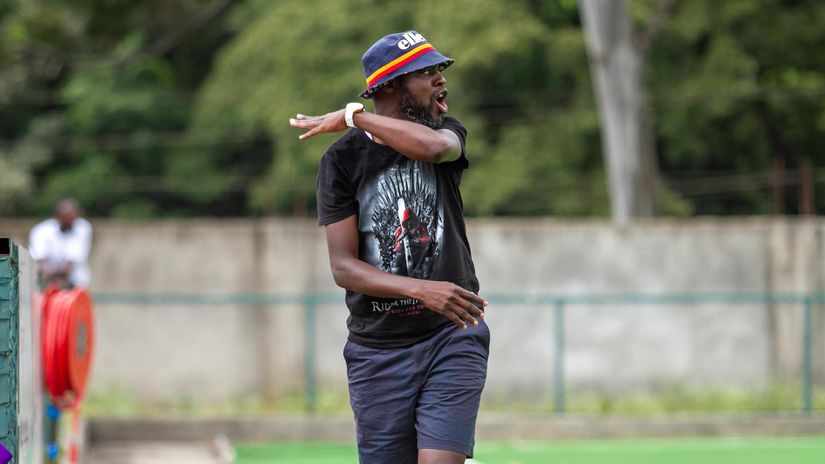
The annual MCHA National Tournament and the Coast Hockey League are now benchmarks in the local hockey calendar. But what makes them stand out is not just the number of teams or matches, but the experience.
“We’re not just hosting tournaments for the sake of it,” Mascarenhas says. “We’re intentional. We want every edition to be better than the last.”
The MCHA takes feedback seriously and uses it to improve future events. What began as experimental tournaments have now become well-oiled, annual showcases.
“The validation comes when participants say, ‘This was better than last year.’ That’s our motivation,” he adds.
MCHA also makes a point to rotate venues across different neighbourhoods to grow the game’s reach and expose young people to organised sport.
“We’ve gone to Miritini, Mvita, Tudor. Each time, someone new falls in love with hockey.”

The Beach Hockey Revolution
Perhaps MCHA’s most radical and exciting innovation has been the introduction of Beach Hockey, a version of the sport tailored to Mombasa’s unique geography.
Faced with the challenge of limited infrastructure, particularly the absence of an astro turf, MCHA turned to the most abundant resource on the Coast: the beach. And from it came one of their most exciting initiatives - Beach Hockey.
“Beach hockey has become a huge opportunity for us,” Mascarenhas says. “We’re part of the World Beach Hockey Federation, and we’ve been able to host fun, inclusive events that appeal to a wider audience."
The association hopes to scale Beach Hockey into a circuit event spanning Mombasa, Diani, and Malindi. It is part of a broader strategy to innovate while leveraging existing resources.
“We don’t have to wait for a perfect pitch to grow the game. We just have to be creative,” he adds.

Despite the association’s success, challenges remain. Chief among them is the dream of a dedicated AstroTurf.
“We already have the turf,” reveals Mascarenhas. “It’s sitting in containers, ready to be laid. What we need now is land. We’re engaging with the county government and stakeholders to make it happen.”
Still, the fruits of their labour are already visible. Coast-based schools like Mnyenzeni Secondary and St. Charles Lwanga are shining at the national level.
Several Coast players have earned spots in Kenya’s U21 squad heading to Namibia, and the Mombasa Sports Club Ladies qualifying and playing the continental action in Egypt.
“Our goal is simple,” says Mascarenhas. “To ensure every child with a stick has an opportunity to grow, compete, and dream. Whether that’s through school, club, or even Beach Hockey, it all counts.”
Looking ahead, MCHA envisions a future where hockey infrastructure in the Coast rivals that of Nairobi, and where its model of governance is replicated across the country.
_(1).jpg)
“We’re not doing anything magical,” he says. “We’re just serving the sport. We document what we do, we stay accountable, and we trust our people.”
What MCHA has accomplished is no accident. It is the result of listening to the community, empowering the people within, staying organised, and refusing to compromise on transparency.
In an era where many sporting bodies are failing their athletes and fans, MCHA has become a template for what is possible when leadership is responsive, accountable, and visionary.
As Kenya continues to seek new sporting frontiers, maybe it is time to turn the spotlight away from Nairobi and towards the grassroots, where hockey is not just being played, but being built.